The Texas housing market has a way of keeping everyone on their toes. After several years of big swings—rapid price run-ups, sharp rate increases, and shifting buyer demand—many Texans are asking the same question in 2025: Are we finally settling into stability, or are we about to see another meaningful shift?
The answer depends on what part of the state you’re watching, what price point you’re shopping in, and how you define “stability.” Statewide, the story is less about a dramatic boom or bust and more about a market that’s recalibrating: a clear inventory increase, home prices that are stabilizing (with pockets of softness), modest sales growth compared to the slowest periods, and a rent outlook that varies by metro and property type.
Below, we’ll break down what’s happening in the Texas housing market 2025, what it means for buyers and sellers, and how to plan smartly—whether you’re purchasing your first home, moving up, or considering an investment.
Big Picture: What Defines the Texas Housing Market in 2025?
Texas remains a high-demand state thanks to job growth, population gains, and business expansion across major metros. At the same time, affordability pressures—driven by higher mortgage rates than the ultra-low era and higher insurance/tax costs—have changed how buyers shop and how sellers price.
In 2025, the market is best described as “more balanced than it was,” but not perfectly balanced everywhere. Many areas are moving away from the frantic seller’s market conditions that defined parts of 2020–2022. The result is a market where:
- Listings are generally higher than recent lows, giving buyers more choices.
- Homes that are priced well and in good condition still sell, but usually not as instantly.
- Overpriced listings are more likely to sit, require price reductions, or need concessions.
- Rent growth is more muted than the peak years, with increased competition among landlords in some submarkets.
Statewide Trends: Stabilizing Prices, Rising Inventory, Modest Sales Growth
Home Prices: Stability with Local “Micro-Markets”
One of the most searched questions this year is the home price forecast Texas buyers and sellers should plan around. Statewide, pricing trends in 2025 lean toward steadier conditions than the sharp upswings of the early decade. In plain terms: many markets are seeing price growth that’s flatter and more sensitive to condition, location, and price point.
Instead of bidding wars as the default, buyers are watching monthly payments closely. That tends to cap how high prices can rise quickly—especially in areas where new listings are finally keeping pace with demand. That said, Texas is not one market. A move-in-ready home near major employment corridors will behave differently than a dated home far from job centers or in a neighborhood with heavy competition.
- Green flag: Homes that match buyer expectations (updated, clean, well-maintained) and are priced near recent comparable sales often attract solid activity.
- Red flag: A listing priced based on “what my neighbor got in 2022” without accounting for today’s rates and nearby competition may need multiple reductions.
Inventory Increase: More Choices, More Leverage for Buyers
An inventory increase is one of the most important Texas housing market 2025 storylines because it changes negotiating power. When inventory rises, buyers have options. They can compare neighborhoods, floor plans, school zones, and commute patterns more easily—and they can ask for repairs or credits with a stronger footing.
Why is inventory rising in many Texas markets?
- More new construction: Many Texas metros have active building pipelines, especially in suburban corridors.
- Longer days on market: Homes are taking longer to sell than during the fastest-paced years, which naturally builds active inventory.
- More “needs-based” moves: Life events still drive listings—job changes, growing families, downsizing—even when owners have low-rate mortgages.
Inventory gains don’t automatically mean prices will fall. They often mean the market is moving toward normal seasonal patterns: more listings in spring and early summer, fewer in late fall and around the holidays, and then a pickup after the new year.
Sales: Modest Growth, but Not a Frenzy
Sales activity across Texas in 2025 is generally characterized by modest sales growth compared to the slowest periods of the recent rate shock, but it’s not a return to the ultra-competitive rush. More buyers are re-entering the market as they adjust expectations and as incomes rise over time. Some are also choosing to buy because rent costs have remained high, even if rent growth has cooled.
However, demand is still rate-sensitive. A small mortgage rate change can meaningfully impact monthly payments, which is why sales can pick up quickly when rates ease and slow when rates rise.
Regional Snapshots: How Texas Markets Can Differ in 2025
Texas housing trends often make more sense when you think in regions. Local job growth, new-home supply, and migration patterns can create very different “feels” across the state.
Dallas–Fort Worth: Choice Expands, Pricing Becomes More Competitive
DFW’s size and diverse job base help support demand, but the metro also has significant new-home development. That combination often produces a market where well-priced homes still move, while buyers gain leverage through choice. In many DFW suburbs, the inventory increase can be especially noticeable, creating more room for negotiations—particularly on homes that need updates or are priced at the top of a neighborhood’s range.
Austin and Central Texas: Sensitive to Affordability, Watch the Details
Central Texas has seen sharper market swings in recent years than some other metros. In 2025, many neighborhoods are behaving more normally: pricing is more dependent on recent comparable sales, and buyers are less willing to “stretch” without clear value. New construction and resale listings can compete closely, which puts a premium on smart pricing and strong presentation.
Houston: Steady Demand, But Pay Attention to Total Ownership Costs
Houston often benefits from a broad, resilient employment base. In 2025, the conversation frequently centers on total monthly costs—mortgage, property taxes, and homeowners insurance. Buyers are still active, but many are more cautious, and sellers may need to be flexible on repairs and concessions, especially if a home shows age or deferred maintenance.
San Antonio: Relative Affordability Helps, but Competition Varies by Neighborhood
San Antonio’s relative affordability compared to some peer metros can support demand. Still, the market isn’t uniform. Some areas remain competitive due to location and schools, while others see more negotiation as inventory grows. Buyers who stay flexible on exact neighborhood boundaries sometimes find better value.
Smaller Cities and Rural Texas: Less Uniform, More Dependent on Local Jobs
Outside the major metros, housing trends can be heavily influenced by local employers, energy-related activity, and limited comparable sales data. Inventory can be thin in some places and plentiful in others. If you’re buying or selling in a smaller market, a hyper-local pricing strategy matters even more.
Home Price Forecast Texas: What a “Stable” Year Usually Looks Like
When people ask for a home price forecast Texas residents can rely on, it helps to frame it as a range of scenarios rather than a single prediction. In a “stability” scenario, statewide price movement is often modest—think small gains in some neighborhoods, flat results in others, and occasional declines where inventory is high or affordability is strained.
Here are the key indicators that tend to shape 2025 pricing outcomes:
- Mortgage rates: Lower rates typically increase buyer purchasing power, supporting prices; higher rates do the opposite.
- Months of inventory: More months of supply generally favors buyers; fewer months tends to favor sellers.
- Days on market: Rising days can signal slower demand or overpricing; falling days can signal renewed competition.
- Price reductions and concessions: More reductions often indicate sellers are adjusting to buyer expectations.
- New construction incentives: Builder rate buydowns and closing cost credits can pull demand from resale listings.
A practical takeaway: if you’re buying, don’t assume last year’s pace will repeat. If you’re selling, don’t assume peak-era pricing will return automatically. In 2025, pricing correctly is often the difference between a smooth sale and a listing that lingers.
Rent Outlook in 2025: Cooling Growth, But Not “Cheap”
Rent is a major part of the housing equation, especially for first-time buyers deciding whether to keep leasing or purchase. In many Texas metros, rent growth has moderated compared to the steep increases seen earlier in the decade. A wave of multifamily deliveries in some areas has increased competition, which can lead to more move-in specials and steadier rents.
Still, “moderating” doesn’t mean low. Many renters are facing renewal increases, and the all-in cost of living—utilities, insurance pass-throughs, and fees—can make comparisons tricky. In 2025, the rent outlook often looks like this:
- Apartments in high-supply submarkets: More specials and slower rent growth.
- Single-family rentals: Often steadier demand, with rents influenced by school zones and neighborhood quality.
- High-demand school districts: Rents can remain firm even when broader metro rent growth cools.
If you’re deciding between renting and buying, compare your expected monthly payment and cash needs, but also compare stability. Renting offers flexibility; buying can offer long-term payment stability (especially with a fixed rate), but it comes with maintenance and transaction costs.
What Buyers Should Do in 2025: A Step-by-Step Game Plan
With more listings on the market, 2025 can be a friendlier environment for prepared buyers—especially those who stay disciplined on monthly payment and condition.
Step 1: Get Pre-Approved (Not Just Pre-Qualified)
A pre-approval typically involves documentation (income, assets, credit) and gives you a clearer, stronger buying position than a basic pre-qualification. It also helps you shop with confidence and respond quickly when you find the right home.
- Common mistake: Shopping first and talking to a lender later, then discovering the payment doesn’t fit.
- Green flag: A lender who explains rate options, points, and estimated cash-to-close in plain language.
Step 2: Use the Inventory Increase to Compare, Not Rush
More selection means you can look at multiple homes in the same price range and decide based on true value. Compare not only list prices, but also age of roof, HVAC, windows, foundation history, and HOA rules.
- Red flag: A home that looks great cosmetically but has unclear maintenance history or signs of water intrusion.
- Green flag: A seller who provides receipts, permits (when applicable), and a clear disclosure history.
Step 3: Make a Strong Offer with Smart Terms
In a more balanced market, your terms matter as much as price. Depending on the home and competition, you may negotiate:
- Seller-paid closing costs (common when buyers are payment-sensitive)
- Repair credits or specific repairs after inspection
- A rate buydown via seller concessions (when allowed by loan type and lender guidelines)
Step 4: Inspections: Know What’s Normal in Texas
Texas homes face unique wear-and-tear factors: expansive clay soils that can affect foundations, intense heat that stresses HVAC systems, and storm seasons that test roofs and drainage.
Use inspections to understand the home, not to “win” a negotiation. Focus on safety issues, major systems, and expensive repairs.
- Common mistake: Skipping a thorough inspection to save money, then paying far more later.
- Green flag: An inspector who documents issues clearly and explains which items are urgent vs. maintenance.
Step 5: Closing: Budget for the Real Cost of Ownership
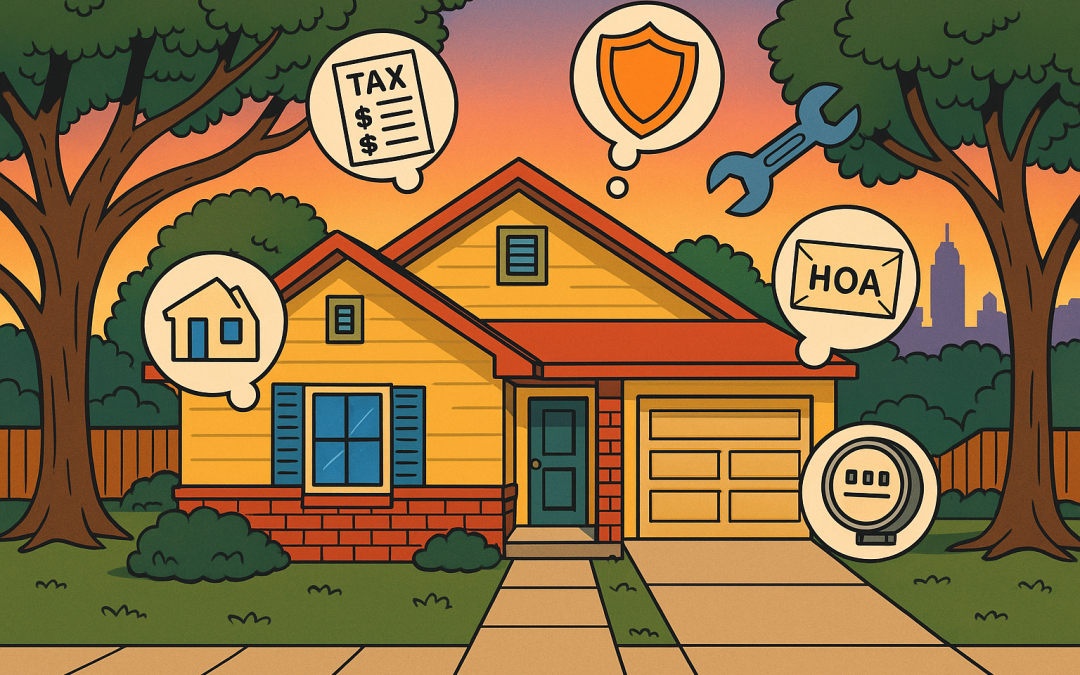
In Texas, property taxes and homeowners insurance can significantly impact your monthly payment. Before closing, review:
- Estimated taxes and whether exemptions may apply (for example, homestead exemptions)
- Insurance quotes early (not at the last minute)
- HOA dues and any special assessments
What Sellers Should Do in 2025: Price, Prep, and Negotiate Wisely
In the Texas housing market 2025, sellers often do best when they lean into the new reality: buyers compare more listings and care deeply about monthly payment and condition.
Step 1: Price for Today’s Market, Not the Peak
Start with recent comparable sales, then adjust for condition and competition. If nearby listings are sitting and doing reductions, that’s a clue about buyer expectations right now.
- Common mistake: Overpricing to “leave room to negotiate,” which can lead to longer market time and weaker offers.
- Green flag: A pricing strategy that anticipates appraisals and acknowledges current inventory.
Step 2: Make the Home Easy to Say “Yes” To
With more choice, presentation matters. Focus on low-cost, high-impact improvements:
- Deep cleaning, decluttering, and simple landscaping
- Touch-up paint and minor repairs that signal good maintenance
- Service HVAC and address obvious drainage issues
Step 3: Expect Requests for Concessions
As inventory increases, more buyers will ask for closing cost help, repairs, or credits—especially if rates are elevated. Concessions aren’t always a negative; they can be a tool to keep your net proceeds strong while meeting buyer needs.
Stability or Shift? Scenarios to Watch Through the Rest of 2025
So, is 2025 stable or a shift? For many Texans, it’s a stable market with a shift in leverage: buyers have more say than they did during the peak frenzy, and sellers need stronger strategy.
Here are reasonable scenarios to watch—without treating any of them as guarantees:
- If rates ease: Demand could rise and reduce the impact of inventory increase, supporting firmer prices.
- If inventory keeps building: Expect more price reductions, more concessions, and a wider spread between “updated” and “needs work” homes.
- If job growth stays strong: Texas can continue to absorb supply, helping keep pricing relatively steady.
- If affordability tightens: Buyers may trade down in price, favor smaller homes, or prioritize suburbs with better value.
Bottom Line: How to Move Confidently in the Texas Housing Market 2025
The Texas housing market 2025 is less about dramatic headlines and more about smart decisions in a market that’s normalizing. With an inventory increase in many areas, buyers may find more options and negotiating room. Sellers can still succeed, but the winning formula is realistic pricing, strong presentation, and flexibility during negotiations.
Whether you’re buying, selling, or staying put, focus on the fundamentals: monthly payment comfort, neighborhood fit, and property condition. And if you’re watching the home price forecast Texas homeowners care about, remember it’s shaped by local supply, rates, and jobs—so the most accurate view is often neighborhood-by-neighborhood, not just statewide.